Gynecology AI Scribe: How to Choose One for Your Practice
A gynecology AI scribe has to handle sensitive conversations, procedure notes, and visits that mix preventive and problem-oriented care. Use these evaluation criteria and pilot steps to test one with your clinicians and coding team.
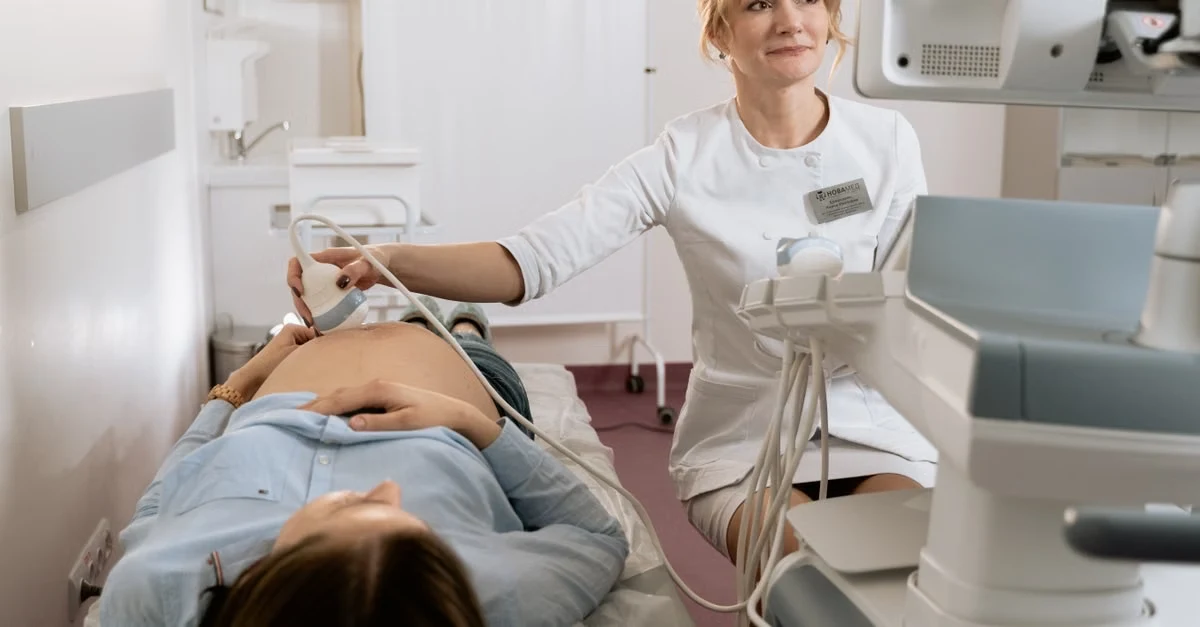
A patient books her annual exam and, halfway through, mentions heavy bleeding over her last three cycles. Your clinician now has a preventive visit, a new problem, and maybe an in-office biopsy to document.
A gynecology AI scribe promises to draft that note from the conversation, and women's health tests that promise more than most specialties. The tool has to handle sensitive history, procedure notes, and coding detail that shapes how the visit is paid.
In this article, you'll find ways to evaluate how the note supports coding, plus steps for a pilot.
TL;DR: Gynecology AI Documentation at a Glance
The essentials for evaluating a gynecology AI documentation tool:
Sensitive history: Ambient capture needs a clear consent step, since patients may hold back on sexual health topics when a recording is running.
Procedure notes: In-office procedures and gynecologic surgery often produce dictated notes, so dictation matters as much as ambient capture.
Unstated findings: The draft should leave a section blank when the clinician did not state a finding.
Coding detail: Same-visit preventive and problem care, laterality, and procedure specifics all depend on the note.
Pilot first: Test the tool on your real visit mix with clinicians and coders before a wider rollout.
What Makes Gynecology Documentation Different?
Gynecology visits rarely follow one script. A single afternoon can move from an annual exam to a contraception consult to an in-office biopsy, and each note takes a different shape.
The details that raise the bar for gynecology documentation include:
Sensitive history: Sexual history, contraception, pregnancy history, and symptoms many patients find hard to describe often share one note.
Mixed visit types: An annual exam can turn into a problem-oriented visit when the patient raises a new concern, and the note has to keep the two distinct.
Procedures with little dialogue: Colposcopy findings, endometrial biopsy details, and intrauterine device (IUD) placement steps come from the clinician, often spoken during or after the procedure.
Side and site: Adnexal findings, such as an ovarian cyst, need the affected side documented for accurate coding.
Care setting: Clinic visits are outpatient, while gynecologic surgery and hospital consults produce operative reports and inpatient notes.
Each places different demands on an AI documentation tool. The criteria below turn them into tests your team can run.

What to Look for in a Gynecology AI Scribe
A vendor demo usually shows a clean, scripted visit. Your evaluation should test the harder cases your clinicians handle every week.
Five capabilities matter most for gynecology teams:
1. Ambient Capture With a Clear Consent Step
Ambient capture lets your clinicians stay focused on the patient during often personal conversations. That same personal content is where a running recording can change what patients choose to say.
A JAMA Network Open study on consent for ambient documentation involved 103 patients, and 40.8% said they would be more likely to self-censor when discussing sexual health. For a gynecology practice, the consent conversation deserves as much design as the note template.
Plan your rollout around these consent elements:
A plain-language script: Clinicians explain what is recorded, how the note is drafted, and who reviews it before it enters the chart.
An easy pause or opt-out: A patient can decline, and the clinician can stop capture for part of the visit and dictate that section afterward.
A policy your compliance team owns: Consent practices vary by organization and state, so your compliance team should set the rules before go-live.
The clinician is still the person who earns the patient's trust in the room. That makes patient disclosure during ambient recording a rollout question your clinical leaders should own from day one.
2. Dictation for Procedures and Operative Notes
Many gynecology notes have no conversation to capture. Your clinicians document a colposcopy, an endometrial biopsy, or a hysterectomy by stating the findings and steps themselves.
A tool built only for ambient capture pushes those notes back to the keyboard. Look for medical dictation software that works inside the same workflow, so a clinician can capture the consult and dictate the procedure note in one encounter.
3. Templates That Match Your Visit Types
A well-woman exam, a pelvic pain workup, and a biopsy note each need a different structure. Ask whether templates follow your organization's standards and each provider's preferences, and whether a clinician can call up a template by voice during the visit.
A draft that already follows a provider's own structure needs fewer edits before sign-off. Fewer edits also mean fewer chances to lose a detail the coder needs.
4. Clear Rules Against Inferred Findings
A model that fills gaps with likely findings produces a note your clinicians never stated. In gynecology, an inferred exam finding or sexual history detail can follow the patient into every future visit.
Our Director of Product Implementation, Garrett Dunne, puts our approach plainly: "If you don't state it, here's the section that's going to be blank and understanding why it's blank. We're doing that on purpose to protect you and to protect the patient."
Ask every vendor how its model handles an unstated finding. Then test it in the pilot with visits where part of the exam was deferred.
5. EHR Integration and Security Your IT Team Can Approve
Your IT and compliance leaders will want to know where the note lands and how patient data is protected.
Put these questions to every vendor on your shortlist:
Where the note lands: Ask whether the draft writes to discrete EHR fields where your interface allows or arrives as one block of text.
Business associate agreement: Confirm the vendor signs a business associate agreement (BAA) before any patient data is handled.
Certification scope: Ask which systems a security certification covers, since a certification can cover one platform without covering another.
Recording retention: Ask how long they keep audio, who sets the retention period, and whether they use your data for any other purpose.
If your team is weighing these capabilities, the clearest test is watching them work on a specialty workflow like yours.
At DeliverHealth, we provide AI-powered clinical documentation and coding solutions for small and mid-size practices through large health systems. InstaNote, our AI clinical documentation solution, supports ambient and dictation workflows across inpatient and outpatient care, with coding suggestions your providers review and approve before sign-off.
Your clinicians can capture a consult ambiently and dictate procedure findings in the same encounter, and note templates follow your organization's and each provider's requests. InstaNote runs on our HITRUST i1-certified eSOne platform and returns a near-final, structured note in about three minutes.
Book an InstaNote demo to watch a sample gynecology encounter move from conversation to a review-ready note.
How the Gynecology Note Shapes Coding
Coding accuracy in gynecology starts with what the clinician captures in the room. The current ICD-10-CM Official Guidelines describe accurate coding as a joint effort between the provider and the coder, and they state that accurate coding cannot be achieved without complete documentation.
Complete source notes are the first step for any team working to improve medical coding accuracy.
Three documentation details deserve a close look in a gynecology pilot:
Preventive and Problem-Oriented Care in One Visit
When a patient raises a new concern during an annual exam, the clinician may address a problem that supports its own evaluation and management (E/M) service. The AMA confirms that physicians can bill preventive and E/M services together in the same appointment, adding modifier 25 to the office visit code when the problem-oriented service is significant, separately identifiable, and documented.
Payer rules vary, and some commercial plans handle same-day services differently, so check each payer's policy. For an AI documentation tool, the test is whether the draft keeps the preventive content and the problem-focused work clearly separated for the coder.
Laterality for Adnexal and Pelvic Findings
Many gynecologic findings carry a side, such as an ovarian cyst or an adnexal mass. The same guidelines direct coders to use unspecified-side codes rarely, when the record cannot identify the side and clarification is not possible.
A draft that captures the side in the clinician's own words saves the coder a query. Check that the tool keeps laterality from the exam and the imaging discussion in the final note.
Procedure Detail
Procedure codes depend on the specific work performed and documented. The note needs the approach, the sites sampled, any devices placed, and any complications, stated as the clinician described them.
When an AI draft summarizes a procedure too loosely, the coder has to query the clinician or settle for a less specific code.
Once the note is signed, our AI-powered medical coding solution, InstaCode, codes from InstaNote (including the coding suggestions your providers approve), traditional dictation, operative reports, or existing EHR notes, with no change to how your clinicians document. In our managed and hybrid models, all DeliverHealth employees, including coders credentialed through AAPC or the American Health Information Management Association (AHIMA), review every complex or flagged encounter.
Our built-in audit trail records every AI output, every human change, and the reasoning behind it. We report 95% coding accuracy, delivered with human-in-the-loop review, with billable codes typically delivered within about 24 hours.
How to Pilot a Gynecology AI Documentation Tool
A pilot shows how a tool performs with your patients, your templates, and your EHR. Plan it around your real visit mix so the results reflect a normal week.
The organizational side of ambient AI adoption shapes results as much as the technology does, so name owners for consent, templates, and coding review before go-live.
Five steps keep a gynecology pilot focused:
Choose provider champions: Start with clinicians who will give direct feedback on draft quality and share what works with their peers. Include at least one clinician who performs in-office procedures.
Write the consent script: Agree on how clinicians introduce ambient capture, how a patient declines, and how a paused section gets documented. Your compliance team should approve the script before the first recorded visit.
Test the full visit mix: Include annual exams, problem visits, combined preventive and problem visits, and in-office procedures. Add a few visits with a deferred exam to see how the tool handles unstated findings.
Bring in the coding team: Have coders review pilot notes for laterality, procedure detail, and a clear split between preventive and problem care. Their review shows whether the note supports accurate codes before encounters leave the system.
Measure what changes: Track edits before sign-off, after-hours charting time, and coder queries per encounter. Compare each with a baseline from the weeks before the pilot.

Frequently Asked Questions
Leaders evaluating AI documentation for gynecology often ask:
Can One Tool Handle Both Ambient and Dictated Gynecology Notes?
Some tools support both capture modes natively, and gynecology benefits from that range.
Look for a tool that lets clinicians capture the conversation and dictate procedure findings in the same encounter.
Who Reviews the Note Before It Enters the Chart?
The clinician reviews and signs every note. With InstaNote, providers also review and approve the coding suggestions before sign-off.
Does AI Documentation Replace Coders in a Gynecology Practice?
AI handles volume and repetitive work, and credentialed coders keep the exceptions, judgment calls, and audits.
The coder's role shifts toward preventing denials and reviewing compliance.
How Long Does Implementation Take?
Timelines depend on EHR integration, template setup, and the number of providers. Our typical InstaNote deployment takes two to three weeks.
Can a Demo Use Our Own Gynecology Notes?
Demos use sample notes aligned to the specialty. Benchmarking against your own notes and data happens during a pilot.
Conclusion
Gynecology notes hold some of the most personal history in the chart and much of the detail that decides how a visit is coded. A tool earns its place when your clinicians trust the draft enough to sign it, and your coders can work from it without a query.
A pilot on your own visit mix is the clearest way to find that tool, and we would welcome the chance to support yours.
We built DeliverHealth's AI-powered documentation and coding solutions to deploy at the enterprise level for health systems and serve small- and mid-size practices. InstaNote turns each encounter into a structured note with coding suggestions your providers approve, and InstaCode turns that note into accurate, defensible codes with credentialed humans in the loop.
InstaNote's speech recognition is designed not to add anything that wasn't said, and it supports more than 110 languages. InstaNote is also trusted by more than 40,000 healthcare providers.
Schedule an InstaNote demo to see a sample gynecology visit move from consent to signed note in our documentation workflow.
Stay Updated
Subscribe to our newsletter for the latest healthcare AI insights and company updates.