
AI Scribe for Pediatrics: How to Choose One That Fits
Pediatric visits put a caregiver, a child, and a clinician into one conversation, and the note has to keep their voices straight. Learn what pediatric documentation demands of AI and how to test a tool before you commit.
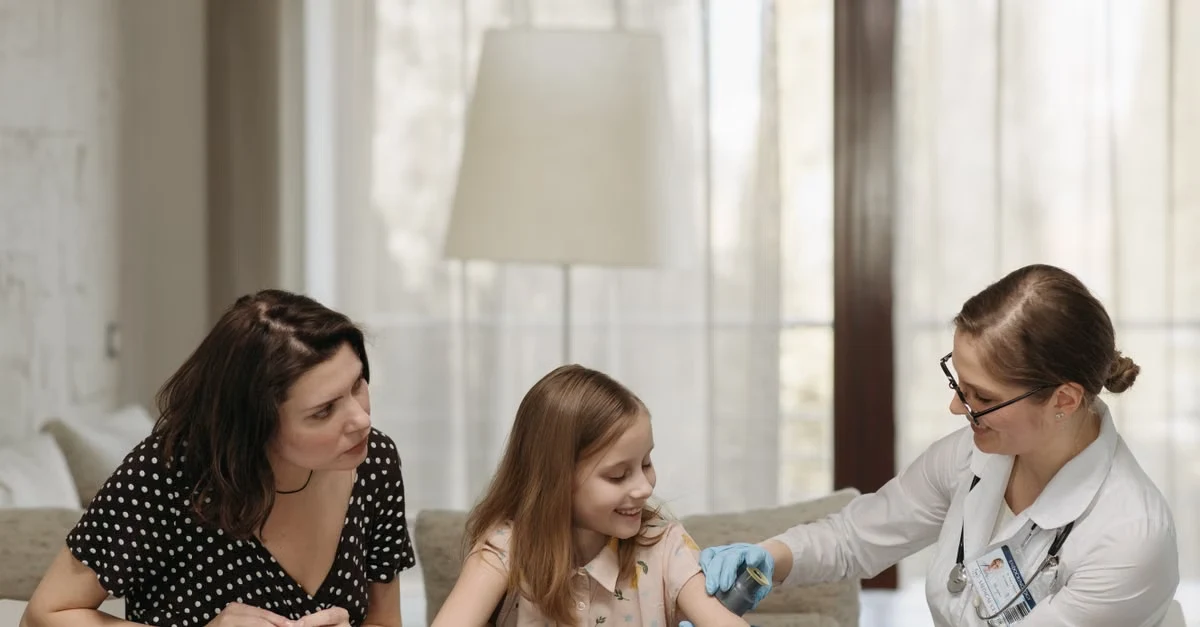
A three-year-old squirms on the exam table while his mother describes two nights of ear pulling and his sister corrects the timeline. The pediatrician examines a moving target, answers vaccine questions, and still needs to write a well-child note.
That room is the real test of an AI scribe for pediatrics. The right tool keeps the caregiver's history, the child's words, and the clinician's findings apart, leaving a draft your providers can sign with confidence.
In this article, we cover what makes pediatric documentation different, consent and teen privacy, what coders need from the note, and how to evaluate and pilot a tool.
TL;DR: AI Scribe for Pediatrics at a Glance
Look for these five things when you choose a tool for pediatric care:
Speaker attribution: Caregiver history, the child's words, and clinician findings stay separate.
Well-child depth: The draft reflects Bright Futures and EPSDT visit elements.
Teen privacy: Private adolescent conversations stay out of the shared record.
Coding support: The note documents new problems apart from preventive care.
A real pilot: You test well-child, multilingual, and adolescent visits first.
Why Pediatric Visits Are Harder to Document
Researchers who ran a pediatric AI documentation pilot with 84 providers found that pediatric encounters have their own documentation needs. Those needs decide how much time an AI tool actually saves your clinicians once they review each draft in the electronic health record (EHR).
Four features of pediatric care put the most pressure on AI documentation:
Caregivers Tell Most of the History
A parent usually reports symptoms, feeding, sleep, and school concerns, and the child adds details in their own words. The same researchers flagged this challenge directly, noting that an AI tool must distinguish between history relayed by the child and history relayed by the caregiver.
When attribution slips, a parent's report can read like a clinician's observation. That changes the meaning of the record, so speaker separation is the first thing to check in any draft.
Preventive Visits Carry a Long Checklist
Well-child visits follow the Bright Futures periodicity schedule from the American Academy of Pediatrics (AAP), which recommends specific screenings and assessments at each age from infancy through adolescence. Children enrolled in Medicaid also qualify for the Early and Periodic Screening, Diagnostic, and Treatment (EPSDT) benefit, which adds required screening services that your well-child notes must reflect.
A generic note format captures that content as loose narrative. Your clinicians then rebuild it by hand, which erases much of the time the tool was meant to save.
Adolescents Need Private Time
Teen visits often include time alone with the clinician to talk about mood, relationships, and substance use. That conversation carries a different confidentiality expectation than the part of the visit the parent hears.
An AI tool that folds both conversations into one note can expose what a teen shared in private. We cover the safeguards in the consent section below.
Some Notes Have No Conversation to Capture
Inpatient rounds, neonatal intensive care unit (NICU) notes, procedure notes, and exam findings clinicians add after the family leaves rarely come from a dialogue. Ambient capture depends on a conversation, and these notes depend on dictation.
In the pediatric pilot, behavioral health clinicians struggled to capture mental status exams, and the tool missed one clinician's recording made after the patient left. Look for a tool that pairs ambient clinical documentation with native dictation inside the same encounter.
What an AI Scribe Should Capture in a Well-Child Visit
A useful draft records what was said accurately and leaves gaps visible where your clinicians or a structured tool supply the data. Your clinicians should be able to trust every line before they sign.
Use the table below to check a draft well-child note against what the visit needs:
Visit element | What the note should show | What to check in the AI draft |
|---|---|---|
Health and developmental history | Who reported each concern, in their words | Caregiver statements stay labeled as caregiver history |
Developmental and behavioral screening | The instrument used, the result, and the follow-up plan | The draft records the discussion; the scored result comes from the screening tool |
Physical exam | Findings the clinician stated | No finding appears that the clinician did not say |
Growth and vitals | Measurements and percentiles | Numbers match what the EHR recorded |
Immunizations | Vaccines discussed, family questions, and any refusal | Counseling content is captured; product and lot details stay in the EHR's immunization record |
Anticipatory guidance | Topics covered with the family | Guidance reflects what was actually discussed at this age |
New problems raised during the visit | A separate history, exam, and plan for each concern | The new concern is documented apart from preventive content |
The most important behavior in that table is restraint. A draft that fills a template with a normal finding nobody stated can look complete and still misstate the visit.
We designed our documentation so a section stays blank when the clinician did not state it, and the model is not allowed to infer a diagnosis. Garrett Dunne, our Director of Product Implementation, explains the reasoning this way.
"If you don't state it, here's the section that's going to be blank, and understanding why it's blank. We're doing that on purpose to protect you and to protect the patient."
At DeliverHealth, we designed InstaNote to produce a well-child note your clinicians can trust line by line.
As a provider of AI-powered clinical documentation and coding solutions, we built InstaNote to capture the conversation with the family and let clinicians switch to dictation within the same encounter, for private adolescent time or findings added after the visit. Coding suggestions appear in the draft for the clinician to review before sign-off.
InstaNote works across more than 50 EHRs, including Epic, Cerner, MEDITECH, athenahealth, eClinicalWorks, and NextGen. InstaNote runs on our eSOne platform, which is HITRUST i1 certified.
Book an InstaNote demo to see how ambient capture and dictation work together across your pediatric visits.
How to Handle Consent and Adolescent Confidentiality
Set your consent policy before you configure any recording. In the pediatric pilot described above, caregivers gave verbal consent, and patients gave assent before each recording, and clinicians still asked whether consent was needed at every visit and at what age a teen could consent alone.
Those answers vary by state law and organizational policy. Settle them with your compliance team and legal counsel before go-live.
Adolescent visits add a second layer. Bright Futures asks clinicians to screen adolescents for depression while making every effort to preserve the adolescent's confidentiality, and your AI workflow must respect that same line.
Build these safeguards into the workflow before your clinicians record a single adolescent visit:
Pause capture for private time: Train clinicians to stop ambient recording when the parent steps out, or to switch to dictation for the confidential portion.
Route sensitive content deliberately: Place confidential findings in a note section or note type your EHR can restrict from proxy portal access, where your system supports it.
Review before release: Require clinicians to check the draft for anything shared in private before they sign and before the note reaches a portal.
Tell families plainly: Give clinicians a short script explaining that the tool drafts the note, the clinician reviews and signs it, and families can decline recording.
Recording can also change what patients disclose during recorded visits, so how clinicians explain the tool matters as much as the safeguards.

How Pediatric Notes Support Accurate Coding
Pediatric coding depends on details the clinician says out loud, and the note must capture them. A well-child visit with a new ear complaint is the classic case.
In its guidance on billing both preventive and evaluation and management (E/M) services in the same visit, the American Medical Association (AMA) describes a well-child visit in which a mother raises her three-year-old's irritability and ear pulling, and the physician diagnoses and manages acute otitis media.
When a problem needs its own significant, separately identifiable evaluation, Current Procedural Terminology (CPT) guidance supports reporting the preventive service and an office visit with modifier 25, as long as the note documents that separate work.
The AMA also notes that many physicians under-code the work they perform. A complete note helps your practice report what was actually done, though commercial payer and state Medicaid policies on same-day services still vary.
Coders need these details from a pediatric note to code it defensibly:
A separate problem section: History, exam, and plan for the new concern, distinct from the preventive content.
The screening record: Which developmental or behavioral screening tool was used and the result.
Vaccine counseling content: What the clinician discussed with the family about each vaccine, including questions and refusals.
Who did what: The clinician or staff member who counseled, examined, and administered each service.
Exact numbers: Weights, doses, and measurements as stated, with no rounding or inference.
AI coding suggestions help most when the clinician reviews them before sign-off and credentialed coders take the exceptions. That human review layer is central to any effort to improve medical coding accuracy in a busy pediatric practice.
We built InstaCode to code from the documentation your pediatric clinicians already produce, whether that is an InstaNote draft, traditional dictation, or existing EHR notes, with no change to how they document. InstaCode also stays current on code updates and payer rules, which matters when one pediatric visit carries preventive, problem-oriented, and vaccine counseling services.
That combination is designed to reduce denials before encounters leave the system.
How to Evaluate an AI Scribe for a Pediatric Practice
Judge each tool by how it handles the visits that make pediatrics different. A smooth adult demo tells you little about a crowded well-child visit.
The pediatric evidence supports the effort. In the same peer-reviewed pilot of 84 pediatric providers we cited in the section on why pediatric visits are harder to document, clinicians used the AI tool for about 70% of encounters and saved an average of 2.8 minutes of note time per appointment.
Those saved minutes also changed how clinicians experienced their visits. The share of responding clinicians who said they could give patients their undivided attention rose from about 57% to 94%, and reported burnout fell from about 55% to 33%.
Ask each vendor to show, in a pediatric scenario, how the tool handles the following:
Speaker attribution: Caregiver, child, and clinician statements land in the right place in the draft.
Ambient and dictation in one encounter: Clinicians can capture the conversation, then dictate exam findings or confidential content after the family leaves.
Restraint with unstated content: Sections stay blank when nothing is said, and the tool doesn't infer a diagnosis.
Pediatric templates: Well-child, sick, newborn, and adolescent formats follow your organization's and each clinician's preferences.
EHR integration: The note writes to discrete fields in your EHR where the interface allows.
Coding suggestions with review: Suggested codes appear for the clinician to accept or change before sign-off.
Language support: The tool handles the languages your families speak at home.
Security and accountability: The vendor signs a business associate agreement (BAA) under the Health Insurance Portability and Accountability Act (HIPAA), encrypts data, and keeps a record of AI output and human edits.
Ask one more question directly. Certifications often cover a specific system, so confirm in writing which parts of the product hold any certification the vendor shows you.
How to Pilot AI Documentation in a Pediatric Practice
A pilot tells you more than any demo, as long as it reflects your real visit mix. Plan it around people and workflow first, because ambient AI adoption is largely organizational.
Four steps keep a pediatric pilot honest:
1. Start With Well-Child Visits
Well-child visits expose template depth faster than acute visits. Compare each draft against the Bright Futures elements and, for Medicaid patients, your state's EPSDT requirements.
2. Include the Hard Encounters
Add visits with a talkative parent, a family that speaks another language, an adolescent with private time, and at least one dictated note. Tools that do well on simple sick visits can struggle with these.
If your clinicians dictate today, test how the tool compares with the medical dictation software they already trust.
3. Recruit a Champion in Each Care Setting
A respected clinician in the clinic, and on the inpatient unit if your providers round in the hospital, shapes how peers judge the tool. Give each champion a direct line to the vendor's implementation team.
4. Measure Edit Time and Coding Feedback
Track how long clinicians spend correcting drafts, and ask coders whether the notes support what was billed. Drafting time that reappears as editing time has not been saved.

Frequently Asked Questions
These are the questions pediatric teams ask most often when they evaluate AI documentation:
Can an AI Scribe Tell a Parent's Voice From a Child's?
Speaker separation varies by tool, so test it in your pilot with a visit where a parent gives most of the history. Clinicians should review every attributed statement before signing.
Do Parents Need to Consent Before a Clinician Records a Visit?
Consent practices vary by state and organization, so your compliance team and counsel should set the policy.
In one published pediatric pilot, caregivers gave verbal consent, and children gave assent before every recording.
Should Clinicians Record Adolescent Visits?
They can, with safeguards in place.
Pause ambient capture or switch to dictation for private time, and review the draft for confidential content before it reaches a shared record or portal.
Can AI Documentation Help With Medicaid Well-Child Requirements?
AI can draft the narrative an EPSDT visit needs, including history, exam findings, and health education.
Your clinicians still confirm that each required component appears, since states may set their own periodicity schedules.
Does AI Documentation Replace Clinician or Coder Review?
No. The clinician reviews and signs every note, and credentialed coders handle complex and flagged encounters, so AI takes on volume while people keep the judgment calls.
Choose a Tool That Fits the Pediatric Exam Room
A pediatric note must capture a family's account, a child's development, a teen's privacy, and a coder's evidence. Choose the tool that your clinicians can trust enough to sign, and that your coding and compliance teams can stand behind.
That standard shapes how we build documentation at DeliverHealth, where we provide AI-powered clinical documentation and coding solutions for health systems and physician groups. InstaNote, our AI clinical documentation for ambient and dictated encounters in inpatient and outpatient care, includes coding suggestions your providers review and approve before sign-off.
InstaNote's speech recognition is designed not to add anything that wasn't said, and its note templates follow your organization's and each provider's requests. InstaNote also supports more than 110 languages, which helps practices that care for multilingual families.
Book an InstaNote demo to walk through a pediatric sample note with our team, then test the fit on your own well-child, sick, and adolescent visits in a pilot.
Stay Updated
Subscribe to our newsletter for the latest healthcare AI insights and company updates.